What to Consider Before Replacing Your Entire Roof
A complete roof replacement is one of the most significant projects a homeowner can undertake. It affects not just the appearance of your home but its structural integrity, energy performance, and long-term value. Before you commit to the work, it pays to understand what a full replacement involves and what you need to check along the way. This article walks through the key points to consider so you can approach the project with confidence.
Start With a Proper Roof Survey
Every roof replacement should begin with a thorough roof survey. A professional surveyor will inspect the roof structure, the condition of the roof covering, and any signs of moisture or rot. They will also check the underlay, the insulation, and the roof ventilation. A survey gives you a clear picture of what needs to be replaced and what might be salvageable. Without one, you risk missing hidden damage that could cause problems after the new roof is installed. A survey also helps you compare quotes accurately because each contractor will be working from the same set of facts.
Understand the Roof Structure
The roof structure is the framework that supports everything above your ceiling. It includes rafters, trusses, joists, and the deck that the roof covering sits on. During a complete roof replacement, the structure should be inspected for rot, insect damage, or signs of past movement. If the structure is not sound, a new roof covering will not last. In many older homes, the roof structure may have been designed for lighter materials than what is common today. A structural engineer can assess whether the framework needs reinforcement before the new covering goes on. This is not a job for guesswork; it requires professional judgment and, often, building regulations approval.

Check the Roof Covering Options
The roof covering is what you see from the outside. It could be tiles, slates, metal sheets, or a flat roofing membrane. Each material has different weight, lifespan, and maintenance requirements. The choice affects the roof structure underneath, so it is not purely aesthetic. A heavier covering may require structural upgrades. A lighter one may need different fixings or underlay specifications. Take time to research how each option performs in your local climate. South London and Surrey experience a mix of weather, so a covering that handles wind uplift and heavy rain is important. The right choice balances durability, appearance, and budget.
Inspect the Roof Insulation and Underlay
Roof insulation plays a large part in how comfortable and energy-efficient your home feels. When the roof is stripped back, it is the ideal moment to upgrade the insulation. Modern insulation materials are far more effective than what was installed even twenty years ago. The underlay sits between the insulation and the roof covering. It acts as a secondary weather barrier, catching any moisture that might get past the tiles or slates. A good quality underlay also helps with roof ventilation, which prevents condensation from building up inside the roof space. Condensation is a common cause of rot in roof timbers, so getting the underlay and ventilation right is essential.
Plan for Roof Ventilation
Roof ventilation is often overlooked but it is critical to the long-term health of the roof. Proper ventilation allows moisture vapour to escape from the roof space. Without it, warm moist air from the rooms below can condense on the underside of the roof deck, leading to mould, rot, and reduced insulation performance. Different roof designs need different ventilation strategies. A cold roof ventilates above the insulation. A warm roof insulates at the rafter line and may need ventilation above the covering. Your surveyor or contractor should specify the correct approach for your home. This is not something to cut corners on; it is a standard requirement in building regulations for a reason.
Review Building Regulations and Permissions
A complete roof replacement often requires building regulations approval. This is not the same as planning permission. Building regulations cover the technical standards for construction: structural safety, fire resistance, thermal performance, and ventilation. Your contractor should be familiar with the requirements, but it is worth checking directly with your local authority. In some cases, a full replacement that changes the roof covering or adds insulation may need a building notice. Failing to get approval can cause problems when you sell the house or if an insurance claim arises later. A reputable contractor will guide you through this process, but ultimately the responsibility lies with the homeowner.

Consider the Guarantee and Workmanship
A roof replacement is a long-term investment. The guarantee on the roof covering itself is separate from the workmanship guarantee offered by the contractor. Make sure you understand what each covers and for how long. A material guarantee might last twenty years but only cover defects in the product. A workmanship guarantee should cover installation faults for a defined period, typically five to ten years. Ask to see the guarantee documentation before you sign anything. A contractor who is confident in their work will be happy to explain the terms. The site resilientroofingltd.com, for example, provides roof installation and maintenance services across South London and Surrey, and any reputable firm in the area should be transparent about their guarantees from the start.
Check the Roof Drainage and Gutters
When the roof is replaced, it is a sensible time to check the gutters, fascias, and drainage. These components manage rainwater and protect the walls and foundations. Old gutters may be undersized for modern rainfall patterns, or they may have sagged and lost their fall. Fascias that are rotted behind the gutter line should be replaced while the scaffolding is up. A complete roof replacement should coordinate with gutter and fascia upgrades if needed. It saves money on scaffolding call-outs later and ensures the whole system works as a unit.
Prepare for Disruption and Timing
A roof replacement is noisy, dusty, and weather-dependent. Scaffolding will surround part or all of your home. Workers will be on site for days or weeks. Access to your loft will be restricted. If you work from home, consider how the noise will affect you. If you have children or pets, plan for safety around the work area. The contractor should give you a clear timeline and let you know what to expect each day. Weather can cause delays, especially for a job that involves stripping the roof back to the structure. A good contractor will have a plan for temporary cover if rain is forecast. Ask about this before the job starts.
Budget for Contingencies
Even with a thorough survey, unexpected issues can arise once the roof is opened up. Rot may be worse than anticipated. The roof structure may need repairs. The chimney stack may need repointing or rebuilding. Allow a contingency of at least ten to fifteen percent of the total project cost. This is not a sign of poor planning; it is realistic preparation for what is found beneath the old roof covering. A contractor who warns you about possible extras is being honest, not trying to upsell.
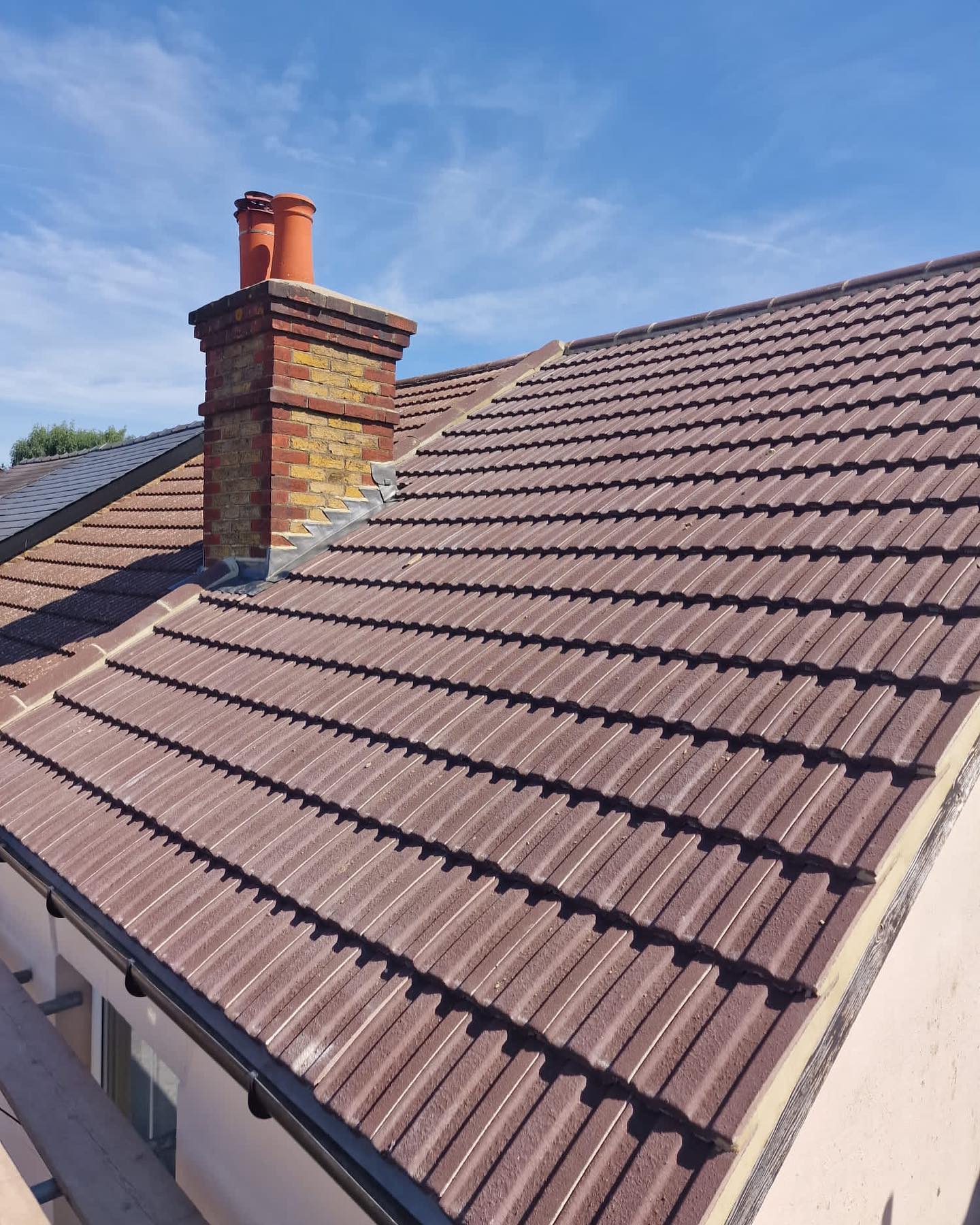
A complete roof replacement is a major project, but with careful planning it becomes manageable. Start with a roof survey, understand your options for the roof covering and insulation, and check the building regulations that apply. Pay attention to roof ventilation, the condition of the roof structure, and the drainage system. Choose a contractor who is straightforward about guarantees and timelines. For homeowners in South London and Surrey, resilientroofingltd.com is one of the local firms that offers roof installation and related services, and it is worth comparing what different contractors include in their quotes. The more you know before the work begins, the smoother the process will be and the more confident you can feel in the final result.